“What is there to design? I’ll pick nice tiles, put in a shower, and that’s it.” It sounds logical — the bathroom seems like the simplest room in the flat. But the bathroom is exactly where the most is hidden under the tiles: pipes, waterproofing, falls, ventilation. And almost any mistake here is fixed in only one way: by ripping out the finished tiling.
We have put together ten things you definitely should not do in a bathroom. Let’s go through them.
Air and light
01
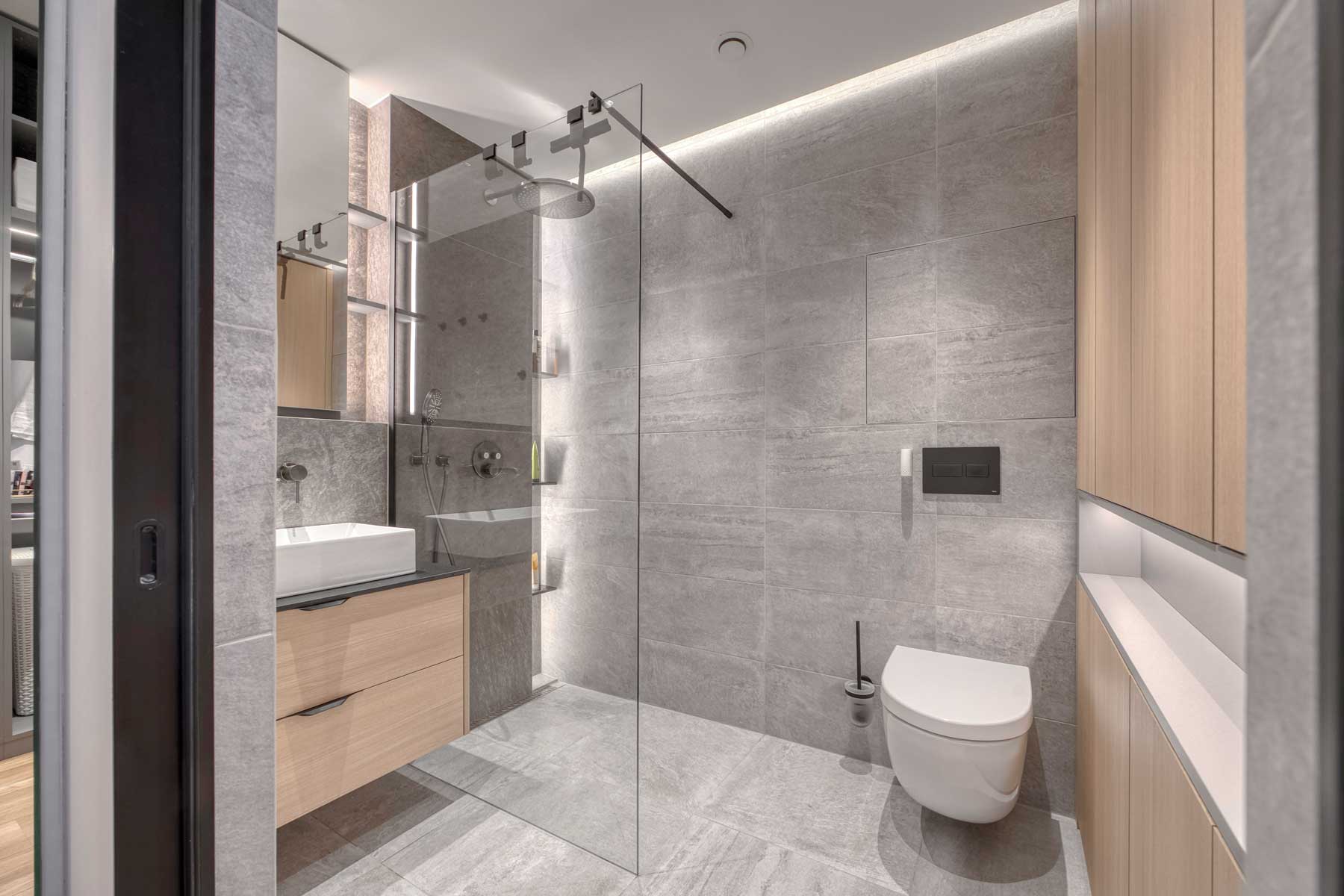
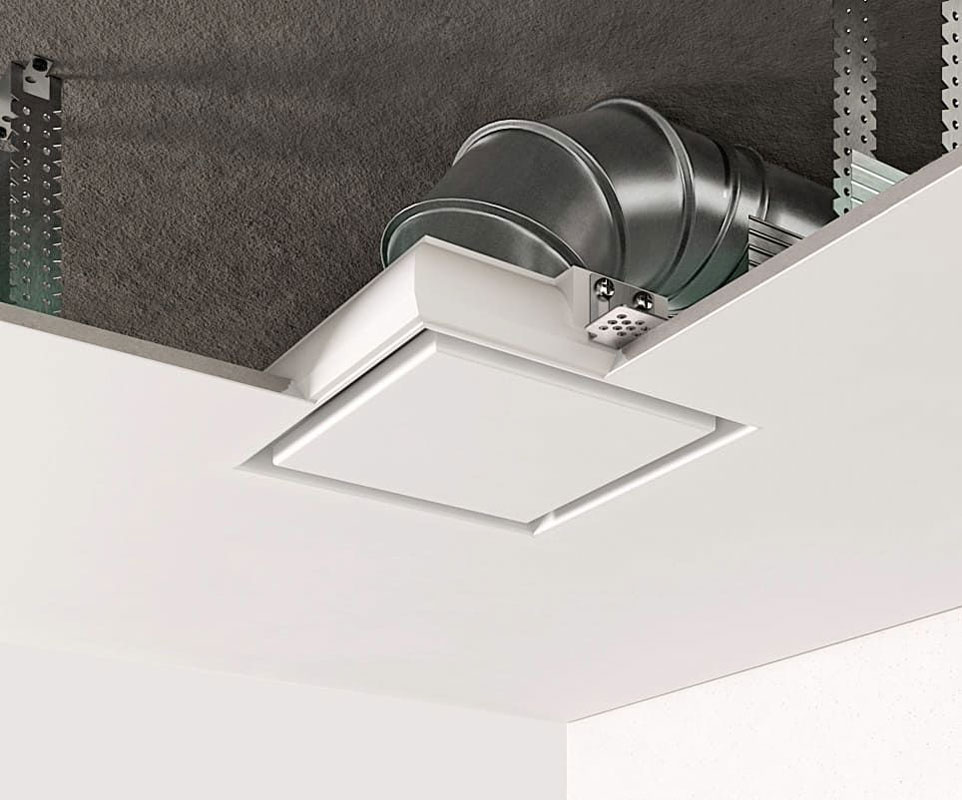
An extractor fan “just for show”.Without proper ventilation, moisture settles on the walls, the grout turns black and mould appears. Extract fans belong where the moisture and smells are: above the shower or bath, by the toilet and, in a large bathroom, above the basin too. It is handy when the fan switches on via a humidity sensor. And you need an air supply, such as a gap under the door, otherwise the fan just hums.
02
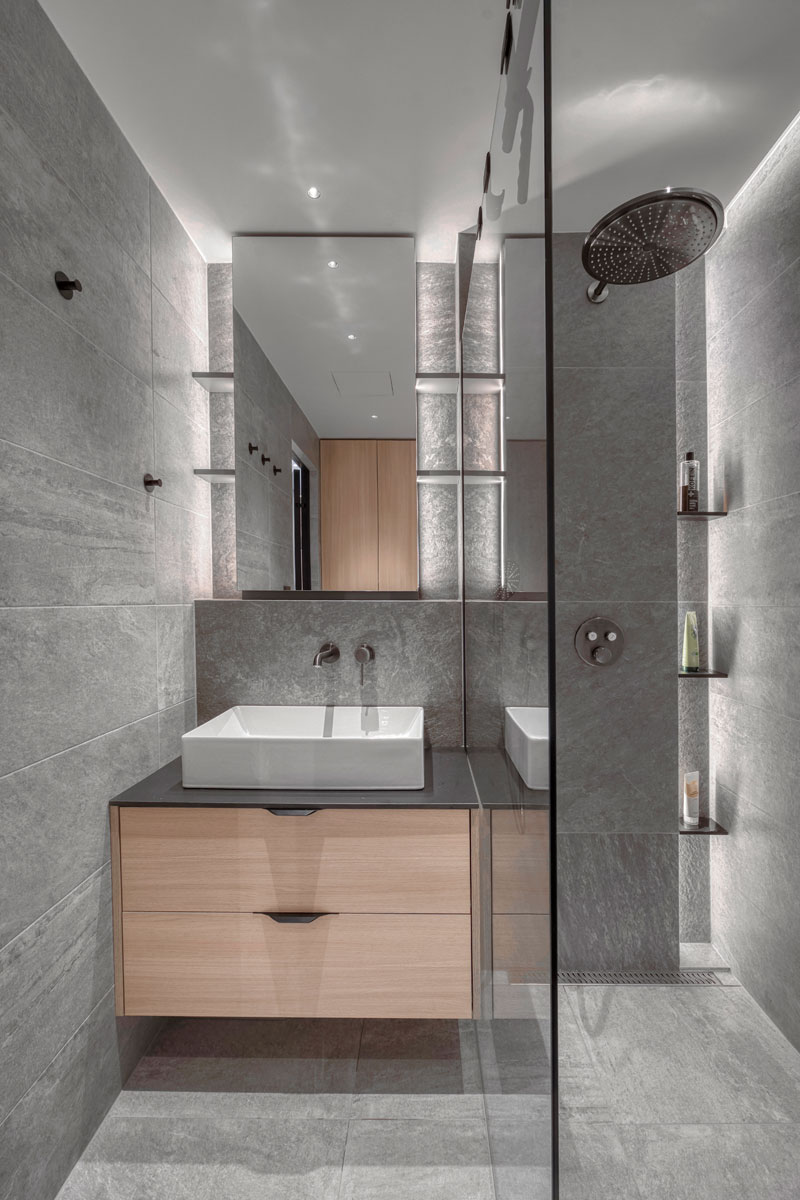
A single ceiling light.Your morning mood depends a lot on light, and light only from above casts shadows on your face at the mirror. Plan three scenarios: general light, mirror light and soft evening lighting. Bathroom fittings must be protected against moisture and water to at least IP44.
Water: what hides under the tiles
03
Saving on waterproofing.Nobody sees this layer, but it decides whether you end up paying for your neighbours’ repairs. It goes across the whole floor and up the walls, higher than the splash zone in the shower, and the corners are sealed with special tape. Check this stage in person before the tiles go down.
04
No leak sensors.A small sensor under the basin, by the bath, by the toilet and in the service duct will send an alert to your phone. Connect it to a motorised valve and it will shut off the water by itself while you are on holiday.
05
A shower tray with a lip.Trays have given way to level-access walk-in showers. What matters is a floor fall to the drain of about one and a half to two centimetres per metre and a drain that is easy to clean. If there is underfloor heating beneath the shower, choose a drain with a dry trap, otherwise the water seal can dry out and smells appear.
“When we design a bathroom, the longest discussions are not about tiles but about what nobody will see afterwards. Where the fall goes, where the drain sits, how high the waterproofing reaches. You can choose tiles in an evening, but you cannot fix the layer underneath without tearing it all out.”
IDP Studio
Everyday comfort
06
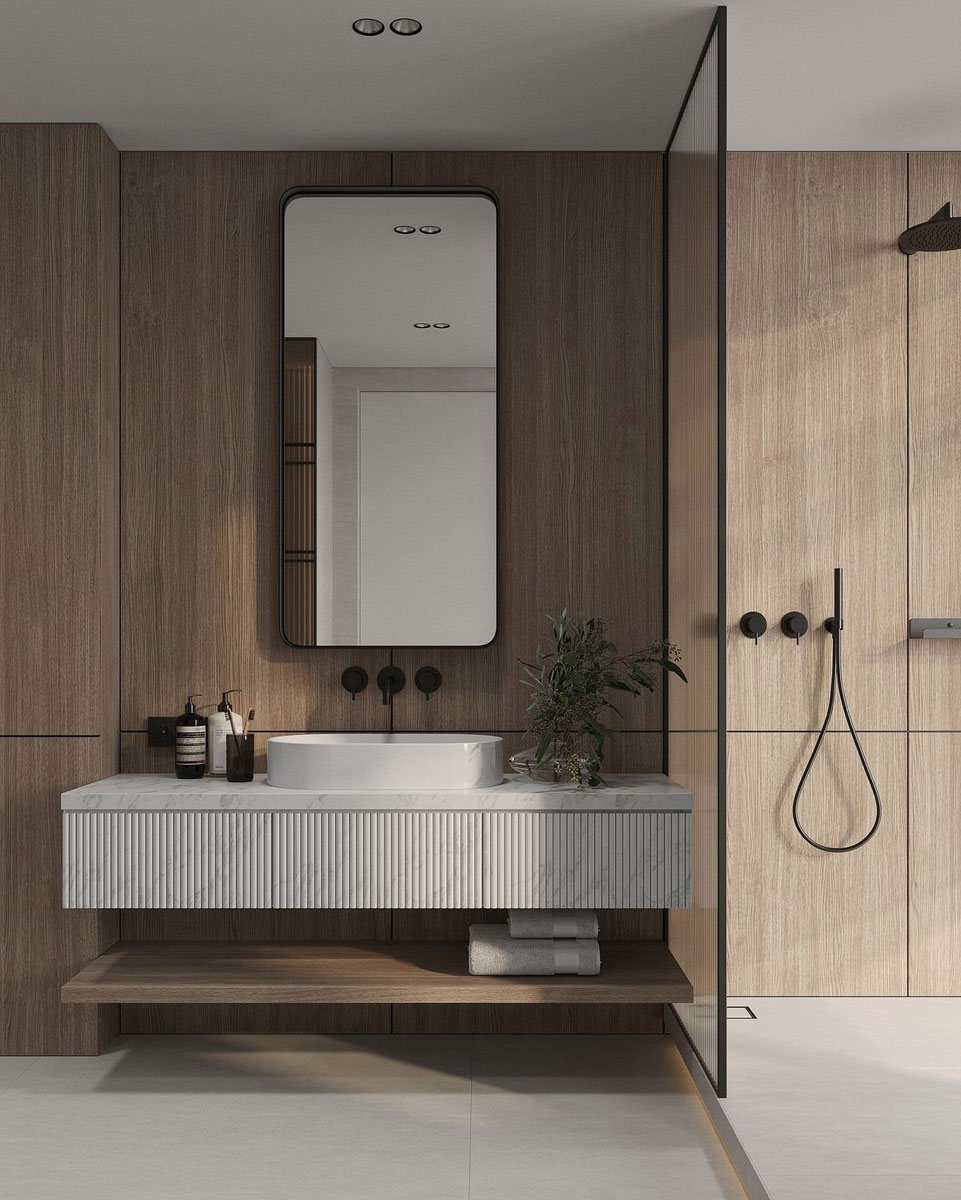
A tap and basin chosen “from a picture”.A beautiful tap can send the stream off-centre, and a shallow basin can splash onto the floor. Before buying, run the tap in the showroom and wash your hands. And check compatibility: the concealed body of a mixer does not fit every trim from different manufacturers.
Details that give the renovation away
07
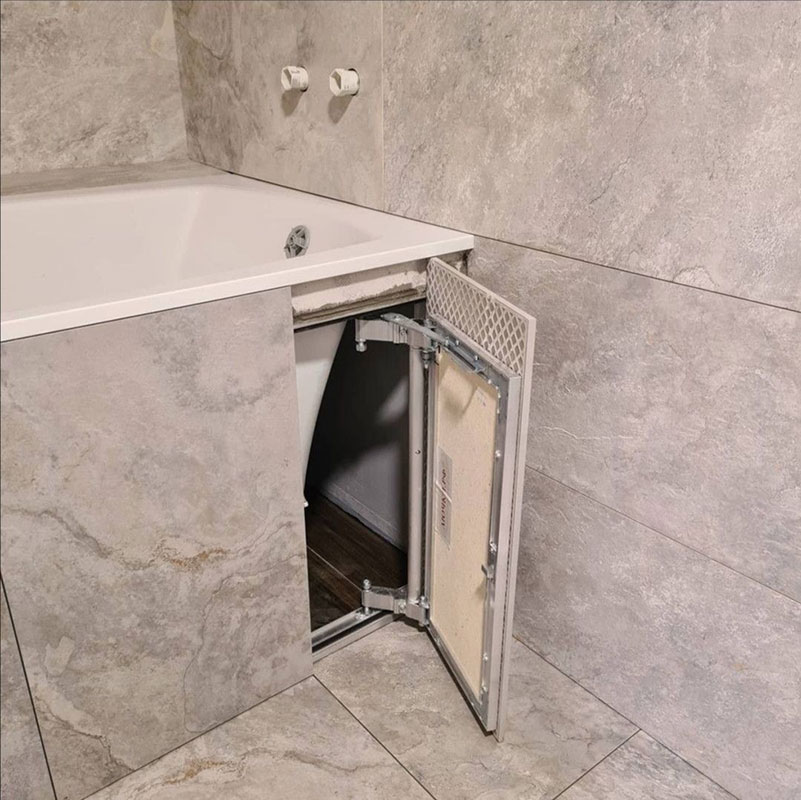
Plastic and metal access panels.A white hatch in the middle of the tiling spoils even an expensive bathroom. Today, concealed tile-in access panels with a silicone seal are used, keeping out dust and moisture.
08
A forgotten inspection hatch.You need access to the valves, the bath trap and the concealed toilet cistern mechanism. Without an access hatch, even a minor fault means broken tiles.
09
Cement grout in wet areas.Ordinary grout absorbs water, darkens and crumbles over time. In the shower, epoxy grout is better: it is not bothered by constant water and mould hardly takes hold. It is harder to work with, so you need an experienced tiler.
10
Ordering exactly enough tiles.Allow about 10% extra, and more for a diagonal layout. Check that the batch, calibre and shade match on every box (in Czech: šarže, kalibr, tón): tiles from different batches can differ in both colour and size. Keep a couple of tiles for future repairs.
“A typical story: the trap under the bath starts leaking, and the only way to reach it is through the tiles. That is why we mark the access hatch on the drawing straight away and fit it to the tile layout so it lines up with the joints and disappears into the wall. On paper it is a small detail, but a few years later it saves the whole bathroom.”
IDP Studio
In short
Almost all of these mistakes hide under the tiles, and the only way to fix them later is to tear out a finished bathroom. A sensor, a drain or the right grout costs little at the design stage, while redoing a bathroom costs tens of thousands of crowns and weeks without a shower.
Planning a bathroom renovation in Prague? Write to us, tell us about your flat, and we will help you figure out where to start.
Message us on WhatsApp